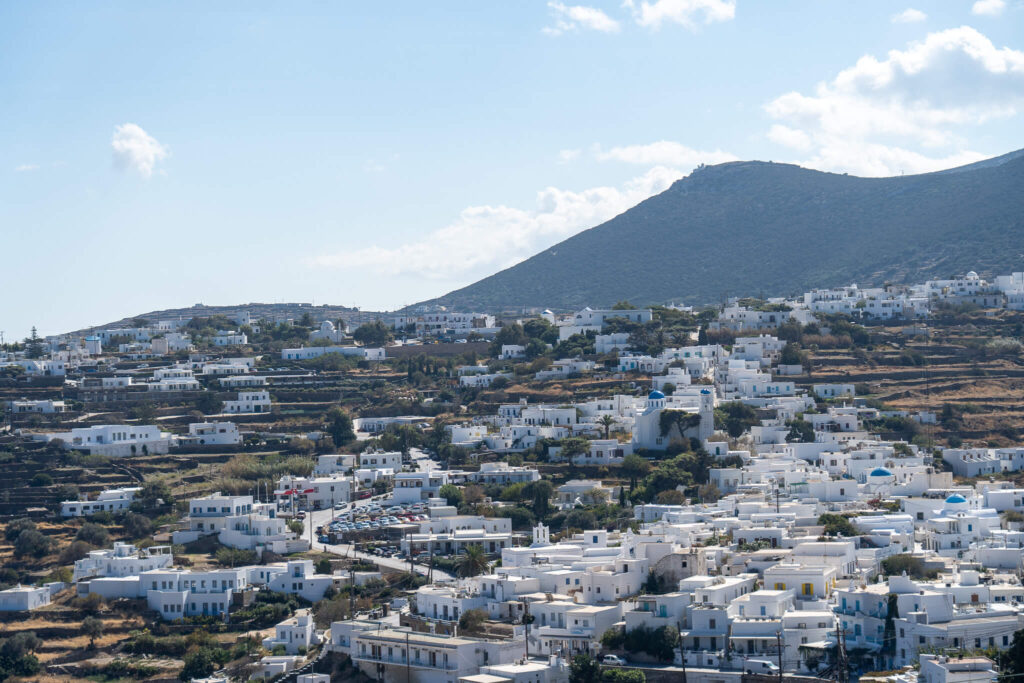
There are places that impress you. And then, there are places that change you. Santorini belongs to the latter. Not for the postcards, though they’re real. Not for the sunsets, though they’re unforgettable. But for the way the light bends time, and the silence between whitewashed walls carries something older than memory.
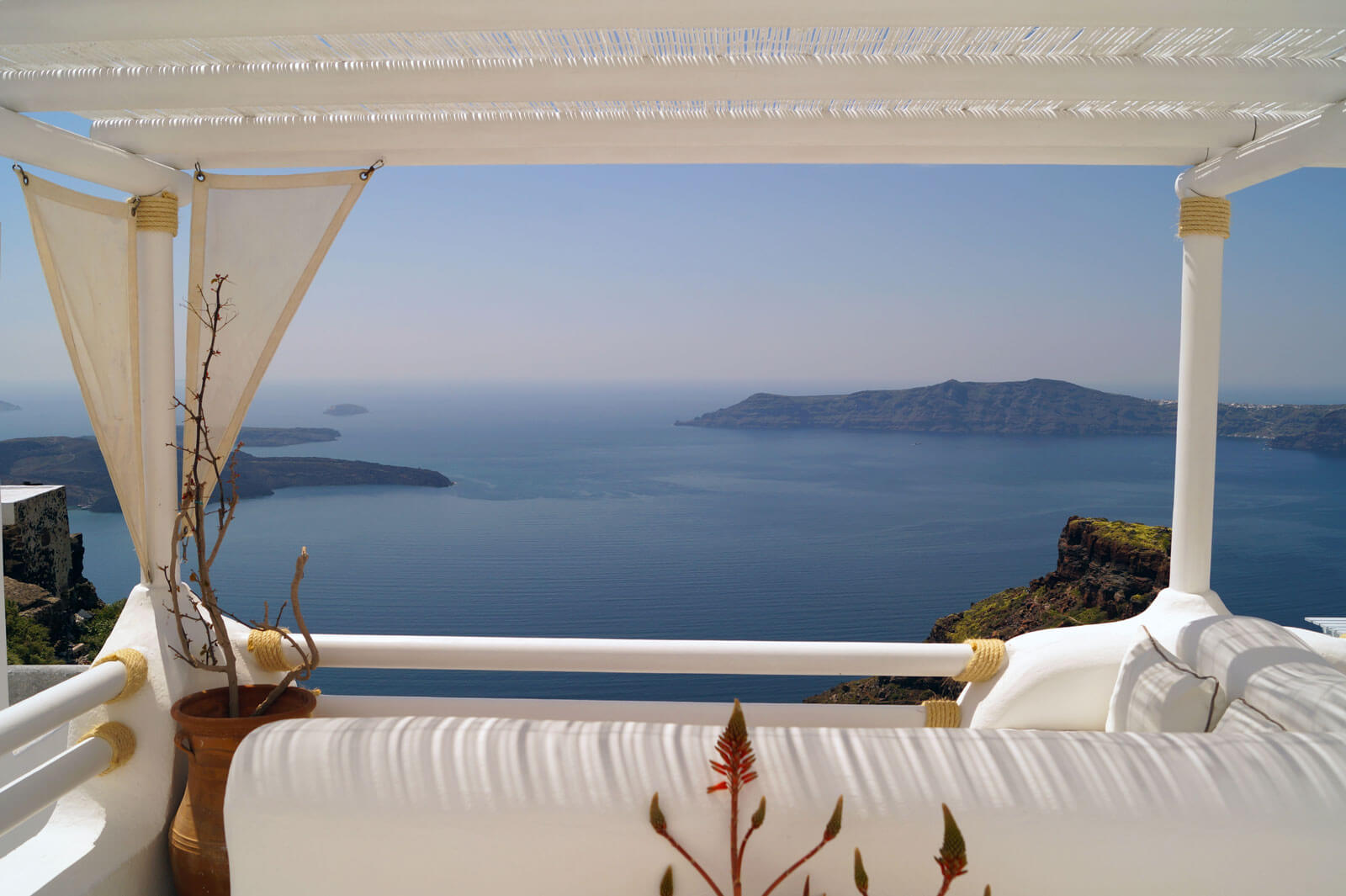
It is said the island’s true name is Thera. But most call it Santorini… a name born from sailors and saints, from the tiny church of Santa Irini that guided seafarers through the Aegean mists. The island itself? A caldera, a crescent cradle born from fire, where cliffs fall into the sea and the sky forgets where it ends.
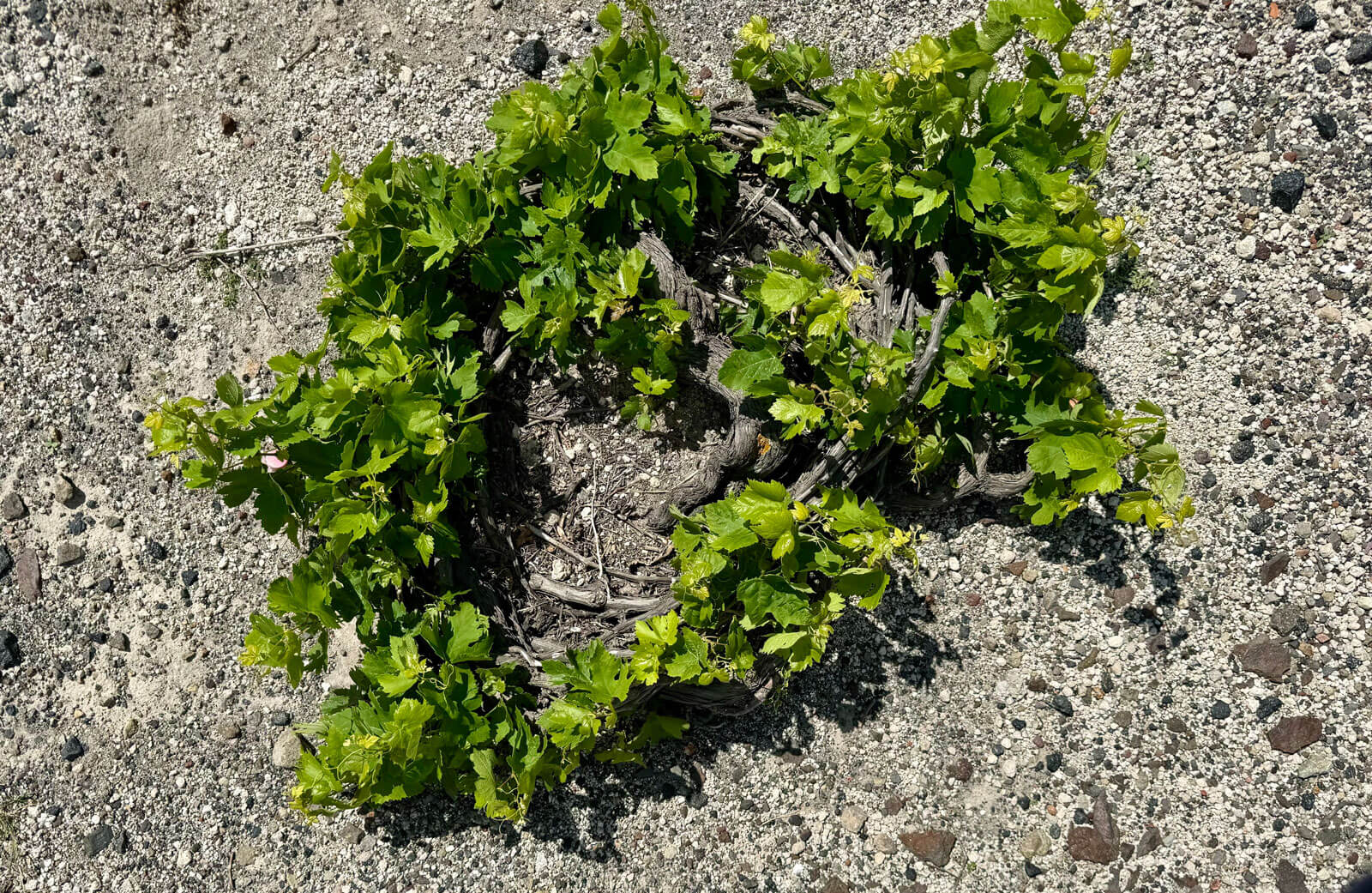
Here, you learn to look differently. To pause. To notice the lacework of volcanic vines trained in ancient coils, drawing moisture from morning dew. To taste the salt on the breeze and the quiet in a village like Megalochori, where life still moves to the rhythm of the cicadas and footsteps echo off stone.
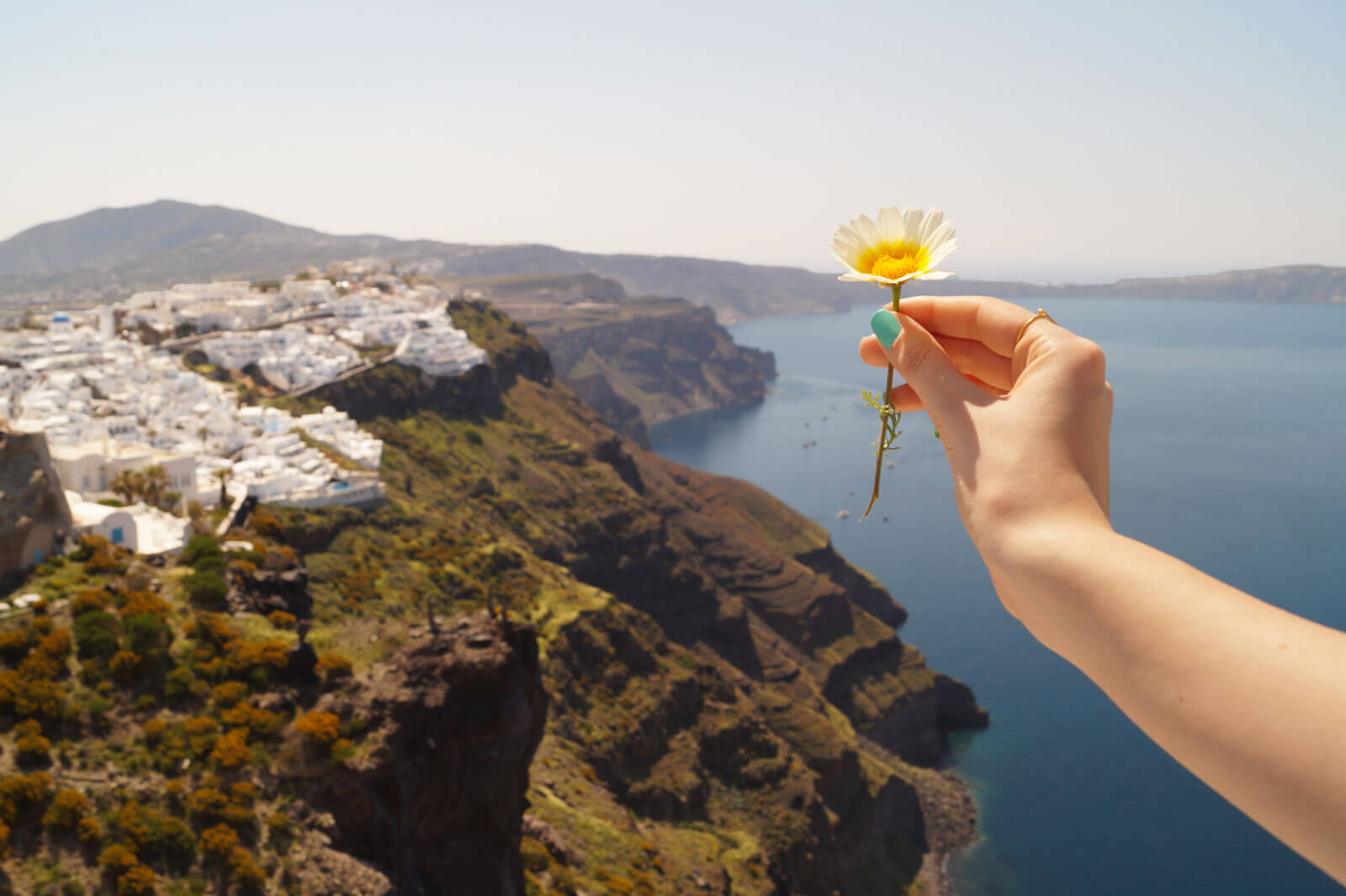
We began with a walk. No grand plans, just a gentle drift through Fira’s tangled paths, where domes and terraces seem to cling to the cliffs like thoughts you almost forgot. Later, we sailed. Not for speed, but for stillness. The volcano slept beside us, the sea blushed gold, and the island’s silhouette softened into dusk. On a boat under the burnished sky, time loosened its grip.
Santorini is not just a destination. It’s a sequence of sensations: the press of warm stone underfoot, the dry sweetness of Assyrtiko on your tongue, the faint music of a lyre in a cave home, where myths are not told, but played and felt. At Symposion, a musician named Yiannis speaks of gods and stars with strings and silence. His stories stay with you long after you leave.
Not every beauty here is loud. Akrotiri, too, whispers. Buried under ash, the ancient Minoan city stands still in time… walls, streets, even the remnants of a window where someone once watched the sea. History doesn’t shout in Santorini. It waits. You simply have to stop and listen.
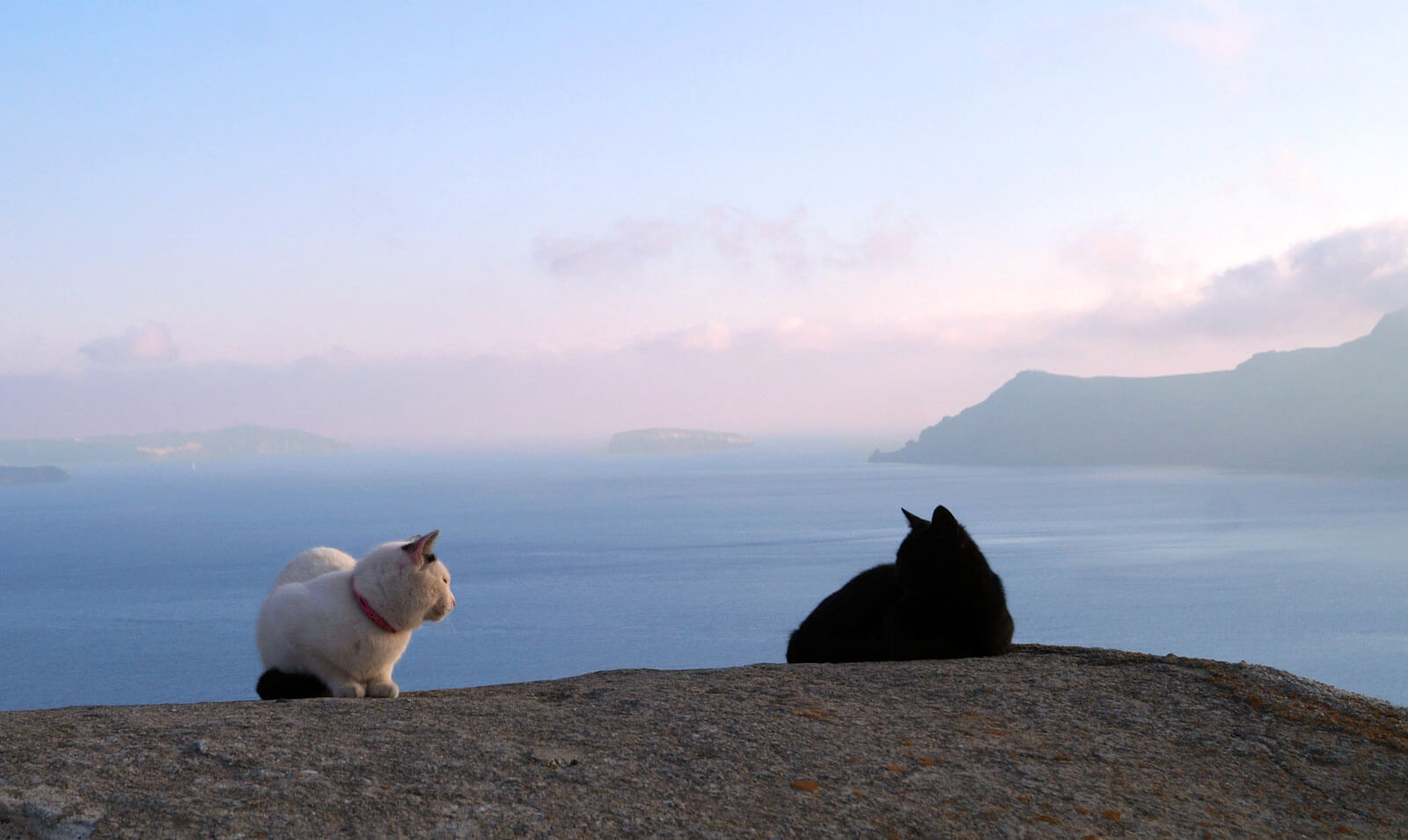
And then, there’s the light. It pours down the caldera like honey in late afternoon, gilding everything it touches: cats sleeping on thresholds, vines curling over stairways, and the shadows of lovers tracing paths through Oia. You’ll hear that the sunsets are best from the village’s edge. But those who know seek other views: Imerovigli, where the whole caldera unfolds beneath you, or Prophet Elias Monastery, where the island itself seems to float.
This is the Santorini we remember. Not the crowds or the clichés, but the quiet between. A laugh over lunch in a back-alley taverna. The sting of the sun, softened by a breeze. The way the island reminds you that beauty isn’t always loud… it can be slow, and deep, and lasting.
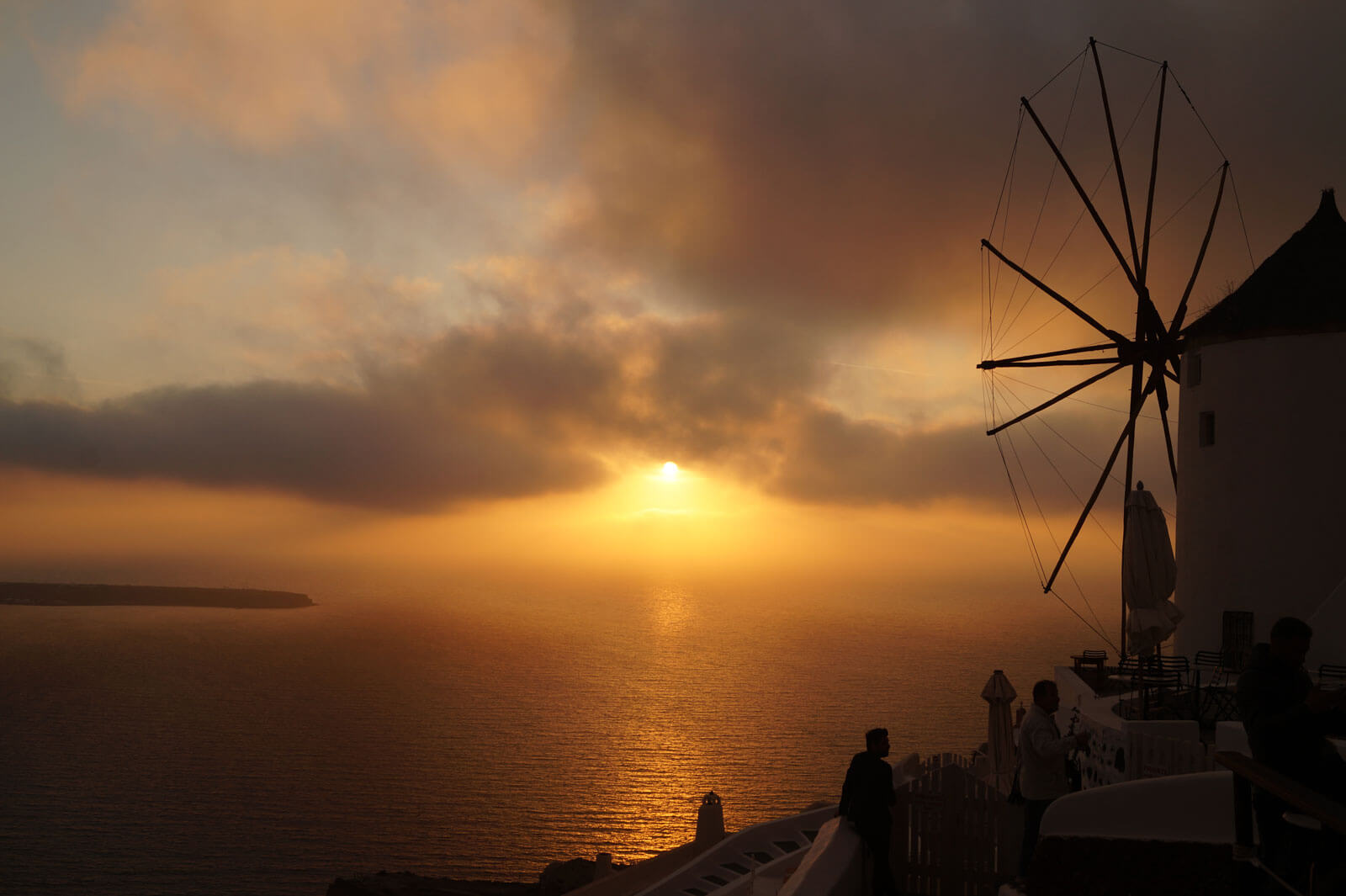
When we left, we didn’t say goodbye. You don’t leave Santorini. You carry it with you. On your skin, in your step, behind your eyes every time the light hits just right.
And when the sea calls you back, as it always does, you’ll remember where to return.
@Photography by the Anamnesis team.